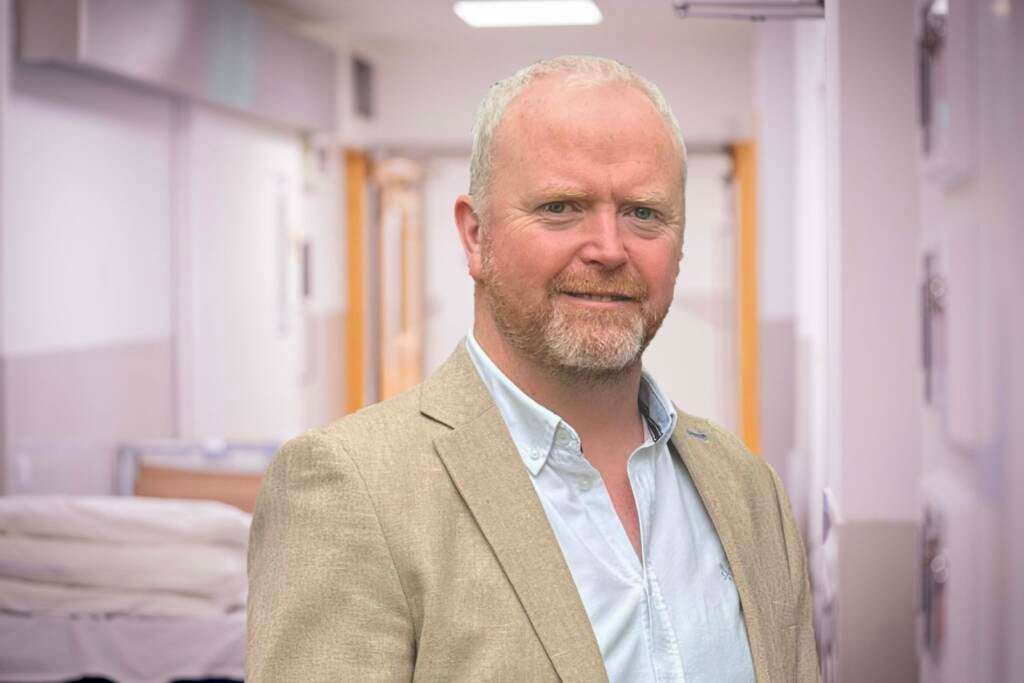
Mr Dennis Molloy
ACL Knee Reconstruction helps restore stability and function to your knee after an anterior cruciate ligament injury through a surgical procedure.
If you have ongoing knee pain, your GP will assess you and, if they think ACL Knee Reconstruction surgery is needed, give you a referral letter to see a specialist.
If you’re using health insurance
If you’re paying for treatment yourself or using a payment plan
ACL Knee Reconstruction costs vary depending on the procedure and your personal treatment plan. We’ll give you a clear price guide upfront and explain what’s included.
Flexible payment options are available to help spread the cost. Our team is here to answer questions and help you choose the best way to pay.
Surgery Price From
£7,351.00
Prices accurate as of February 2026 and may be subject to change.
Finance from:
£177.75 per month
Explore Finance Options*Representative Example: Total amount of Credit £7,351.00. Total charge for credit £3,314.00. Total Amount Repayable £10,665.00. Repayable by 60 monthly payments of £177.75. Representative 16.9% APR. Example based upon treatment costing £7,351.00 repayable over 60 months. Acceptance is subject to status. Terms and conditions apply.
To make things easier, you can book a new consultation appointment online.
ACL Knee Reconstruction may be recommended if you have torn your anterior cruciate ligament and are experiencing ongoing knee instability. This injury often occurs during sports or activities that involve sudden stops, twisting, or changes in direction.
ACL injuries are very common and the ligament usually becomes torn when you slow down very quickly while turning or sidestepping at the same time. Sports such as basketball, football, rugby, skiing or other sports that involve force on the knee joint can put you at more risk of having a knee injury. In these cases ACL is a suitable treatment which can offer the possibility of returning to playing sport.
A torn ACL can make it difficult to walk, run, or return to normal activity, and in some cases may cause your knee to give way during movement.
Surgery may be advised if non-surgical treatments such as physiotherapy have not restored stability, or if you wish to return to high levels of activity. Reconstruction reduces the risk of further injury to your knee and helps protect other structures such as cartilage and menisci.
In summary, ACL Knee Reconstruction may be necessary when your knee remains unstable after injury, and when restoring function is important for your quality of life and future mobility.
At Kingsbridge Hospital we treat patients from across Ireland. Our expert consultant surgeons can advise if ACL reconstruction is suitable for you. If you are not suitable for this type of surgery, options such as physiotherapy, exercises or a knee brace may be offered.
In Northern Ireland, many patients face long NHS waiting times for this type of surgery. Choosing private treatment at Kingsbridge allows you to access care more quickly.
ACL Knee Reconstruction provides several key benefits for people with a torn ligament. The procedure helps restore stability in your knee, making it easier to move with confidence. It allows you to return to everyday activities and, for many patients, to sports and exercise that were not possible with an unstable knee.
Reconstruction also helps protect the knee from further damage. By restoring control, it reduces the strain placed on other structures within the joint, lowering the risk of additional injuries over time.
Overall, the procedure supports long-term knee health by giving you a stronger and more stable joint.
There are different techniques used in ACL Knee Reconstruction, depending on your individual needs and the advice of your surgeon. The most common method involves using a graft taken from your own body, such as the hamstring tendon or patellar tendon.
The choice of graft depends on factors such as your age, activity level, and the condition of your knee. Your surgeon will discuss the options with you and recommend the most suitable approach.
By selecting the right type of reconstruction, you can achieve the best possible outcome for your recovery and long-term knee function.
Knowing what happens at each stage of ACL Knee Reconstruction can help you feel prepared and more at ease. Here’s what you can expect:
Before Surgery
You will have a consultation with your surgeon, who will assess your knee and explain the procedure. Pre-operative physiotherapy may be recommended to strengthen your muscles and prepare your joint. You will also be advised on fasting and any medications you should or should not take before surgery.
During Surgery
The surgery is carried out under general anaesthetic and usually takes one to two hours. The surgeon makes small incisions around your knee to remove the damaged ligament and replace it with a graft. The graft is secured in place using surgical fixings, and the knee is carefully checked for stability before the incisions are closed.
After Surgery
You will usually go home the same day or the following day. Physiotherapy begins soon after surgery to restore movement, strengthen muscles, and support healing. Recovery times vary, but many patients return to light activity within weeks and to sports within six to twelve months, depending on progress.
At Kingsbridge, you’ll be in the expert hands of UK and Ireland’s top orthopaedic consultants.
Quality care, wherever you are. Get directions to all our locations.